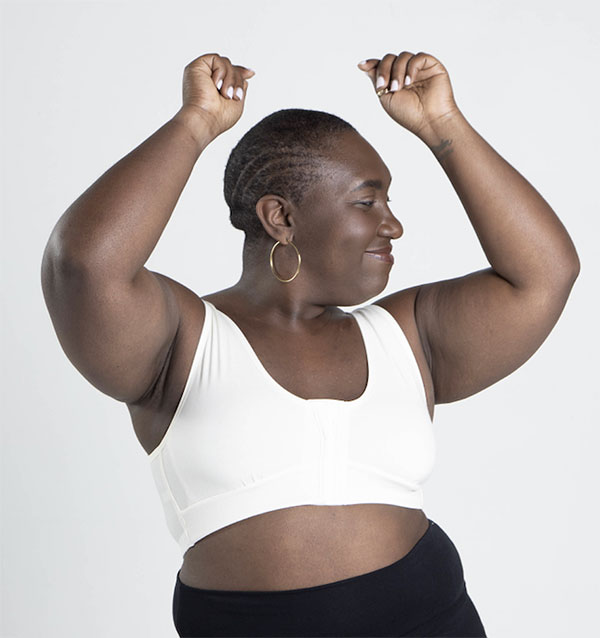
By Dana Donofree, Founder of AnaOno
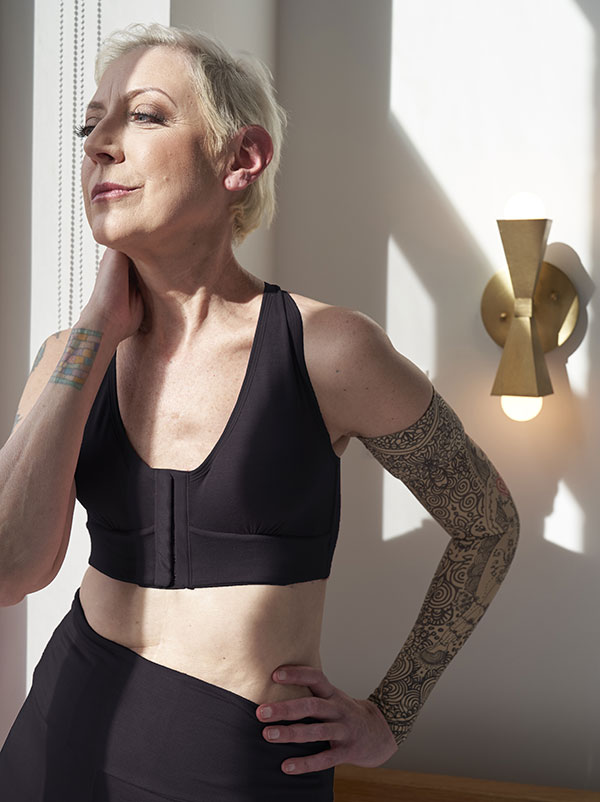

In the world of intimate apparel, we are often the first line of support for women navigating body changes. Yet one of the most misunderstood conditions affecting breast health is lymphedema. It is frequently confused with post-surgical swelling. For certified fitters and store owners, understanding the difference is essential to serving your customer with both knowledge and compassion.
Let’s start with discussing the difference between the two, Lymphedema vs Post-Surgery Edema
Lymphedema is a chronic medical condition that occurs when the lymphatic system is damaged or compromised, often after cancer treatment, lymph node removal, or radiation. The lymphatic system helps move fluid through the body. When it’s disrupted, fluid can accumulate and cause persistent swelling. Lymphedema most commonly affects the arm or chest wall after breast cancer surgery, but it can also occur in the breast itself, the torso, and even the legs.
Unlike temporary swelling, lymphedema is clinically diagnosed and managed long-term. It does not simply “go away.” It may require compression therapy, manual lymphatic drainage, and ongoing monitoring. Organizations like World Lymphedema Day and Lymphedema Awareness initiatives continue to educate patients and providers about the importance of early detection and proper management.
If you encounter a client with increased swelling, please encourage them to reach out to their care team immediately to discuss treatment options.
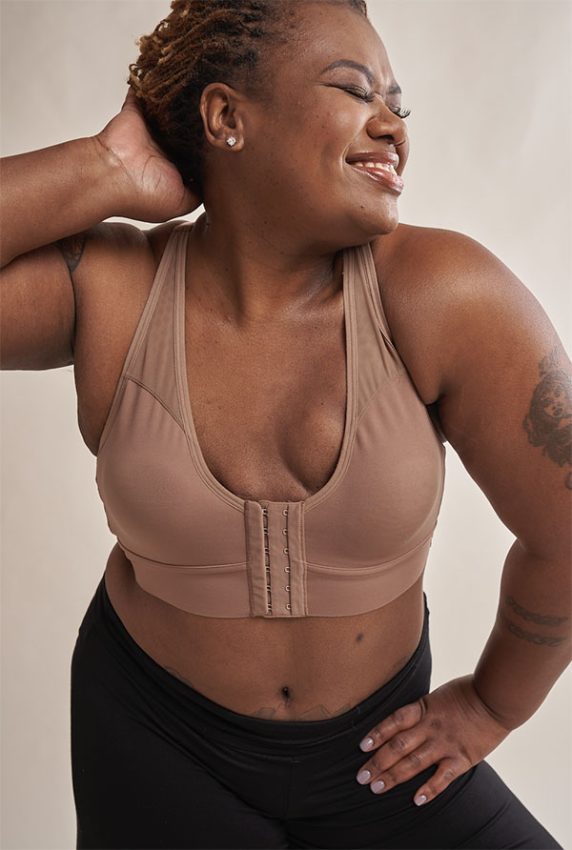

Post-surgical edema, on the other hand, is a normal part of healing. After breast reconstruction, mastectomy, reduction, augmentation, or lift procedures, the body intentionally sends fluid to the surgical site to aid recovery. This swelling is expected and typically decreases as healing progresses. While it can feel uncomfortable or tight, it is part of the body’s short-term repair process.
Breast surgery and cancer patients should be under the care of a medical doctor during this period, if you witness abnormal swelling, redness, heat, or other skin changes they should contact their care team immediately to address any adverse effects from surgery.
This is not medical advice; this is women supporting women with education and care.
A customer experiencing post-surgical edema may need:
- Soft, non-restrictive support
- Wire-free bras
- Light compression (if approved or recommended by their surgeon)
- Adjustable bands to accommodate fluctuating swelling
This is a temporary fitting journey. As swelling decreases so will their needs throughout their recovery and further treatment. I always recommend the One to Wear, One to Wash rule. When healing from surgery, it is important to wear a clean bra every day after a shower.
A customer living with lymphedema may need:
- Consistent, medically guided compression (recommended by medical professionals and physical therapists)
- Seam placement that avoids pressure points or irritated areas
- Ultra-soft linings to prevent further skin irritation or discomfort
- Thoughtful strap distribution to reduce shoulder strain
- Education around proper fit without restricting lymph flow
This is a long-term relationship and should be measured and monitored by the client’s care team.
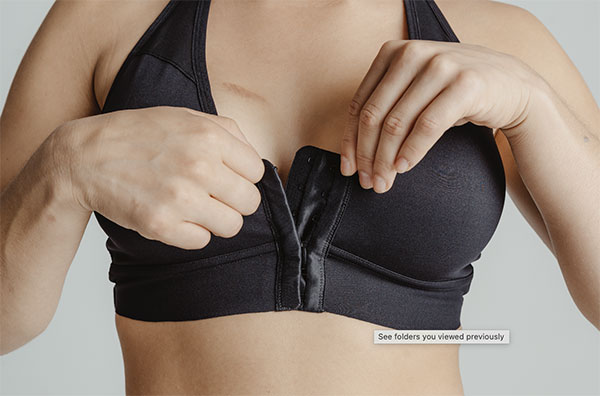

Compression garments are often misunderstood in retail environments. In medical settings, compression for lymphedema is prescribed with specific pressure levels (measured in mmHg). These garments are engineered differently than light-support bras. Meanwhile, post-surgical bras often provide gentle, uniform compression meant to stabilize tissue during healing — not manage a chronic lymphatic condition.
As a retailer, your role is not to diagnose. It is to listen, to ask thoughtful questions, and to create a safe environment where your clients feel seen.
Simple language can go a long way:
- “Are you healing from surgery, or are you managing ongoing swelling?”
- “Has your doctor mentioned lymphedema?”
- “Are you currently using a medical compression garment?”
Many women do not know the term “lymphedema.” They may describe heaviness, tightness, or a feeling of fullness in the arm or breast. They may say, “My swelling never fully went away.” That’s your cue to proceed gently and, when appropriate, encourage medical follow-up.
At AnaOno, we believe breast health conversations belong in lingerie spaces. When fitters understand the difference between healing and chronic conditions, they elevate the entire experience, no matter if healing from surgery or facing other medical conditions.
Breast health is not niche. It is part of the lifecycle of the women we serve. And when we meet them with knowledge, not assumptions, we build trust that lasts far beyond a single fitting.