By ASI EFROS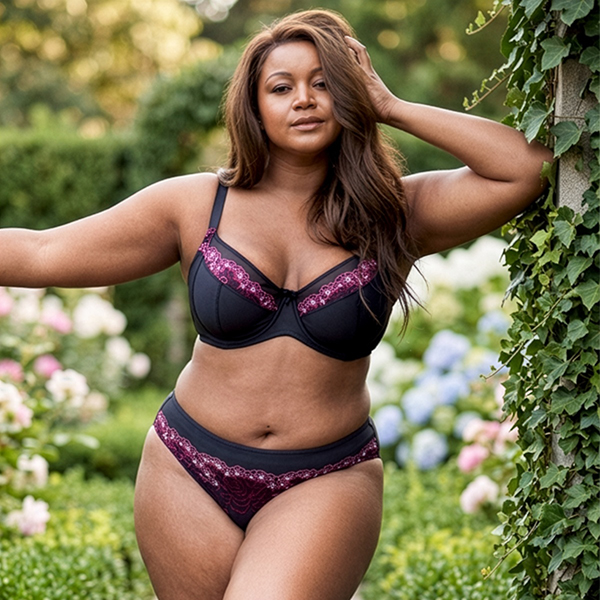

Ellen Jacobson grew up among patterns, fabric, and fit, and today she engineers Elila from the plus-size body outward. In this Intimate Talks conversation, she shares what the fitting room and the factory floor taught her.


You are a third-generation bra designer. How did the family story begin?
My grandmother, Helen Jacobson, started the Goddess Bra Company in the 1940s because she couldn’t find a bra that fit her, so she made her own. She wore a 38D in her day, and she made her first bras from army parachute material. My father worked there too, in planning and production, and he did some design and handled IT. So I grew up around patterns, fabric, and fit.
I was about 8 on my first visit to the factory. It was noisy, big, and had a lot of moving parts, and it was overwhelming. What stuck with me was how many people it took to make a bra: receiving fabric, cutting, sewing, warehousing, packing orders, marketing, and design.
Your family encouraged you to join the business. What was changing in the industry then?
They believed I could make a difference as the industry shifted from domestic production to overseas sourcing. At the same time, retailers were consolidating, and many specialty stores were closing as Victoria’s Secret and big discount chains took their place.
How did your own career begin?
I started in the bra department at Bloomingdale’s, working directly with customers, and I stayed for a couple of years. That’s where I learned how emotional a fitting can be. In one of my first fittings, I had no idea why the bra didn’t fit or where to start: the cup, the band, nothing. The head fitter came in and showed me how to work through the customer’s fit problems.
From there, I moved into design: fabric sourcing, sewing, pattern making, and setting up factories. Seeing both the fitting room and the factory floor taught me where things go wrong and how to design with the factory floor in mind.
What is a factory lesson that changed how you think about design?
We wanted to add a new sewing machine and technique to update our designs. We had to weigh how many machines we’d need, whether the style would sell, training, and fabric sourcing. Most people see a design but not what it takes to make it: the right thread and needles, enough machines to keep the sewing line moving, and skilled workers trained to follow the specs that make it fit.
Why did you start Elila?
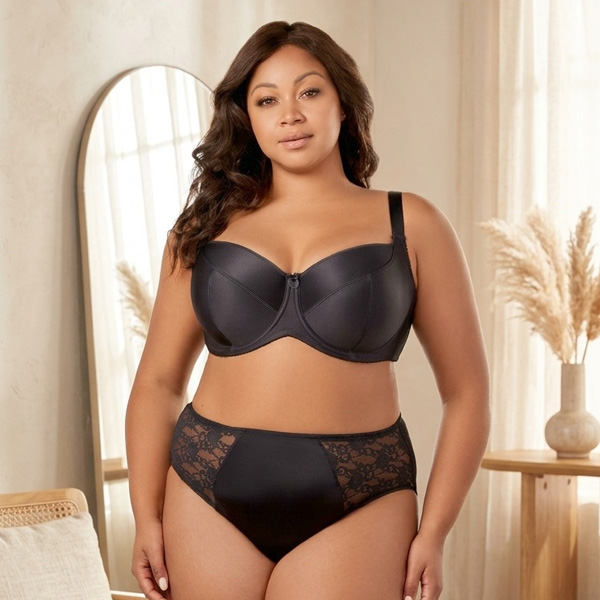
After our family business was sold, I watched the new company lose interest in the true plus-size customer. They stuck with what they were comfortable with: full busts on small bands. I kept seeing plus-size women treated as an afterthought. Brands took smaller patterns, scaled them up, or focused on a bigger bust and called it inclusive. But a plus-size body isn’t a bigger version of a smaller body. Support and fit change. So Elila started at the end of 2003 to engineer from the plus-size body outward. That was over 20 years ago.
The name Elila means that each of us carries the essence of a Goddess, a nod to my grandmother’s Goddess Bra Company. I also built Elila to be simple and flexible from day one, with remote work, a 3PL warehouse, and independent reps. That was well before COVID, so when the pandemic hit, we kept running smoothly. We were already working remotely on a work-when-you-can model.
What makes Elila different?
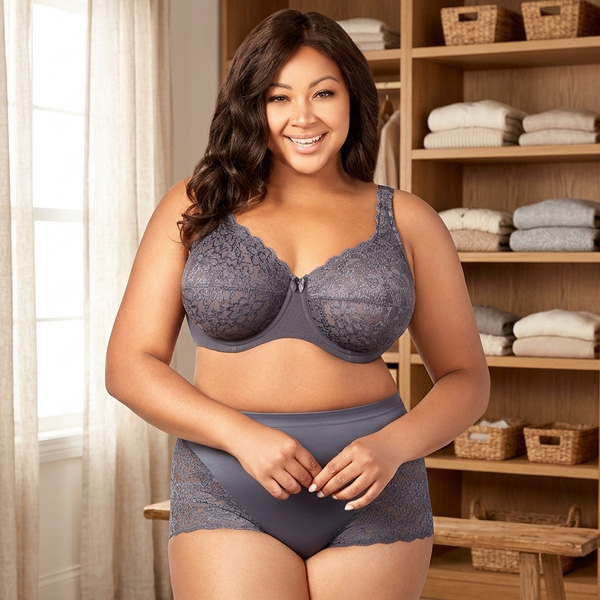
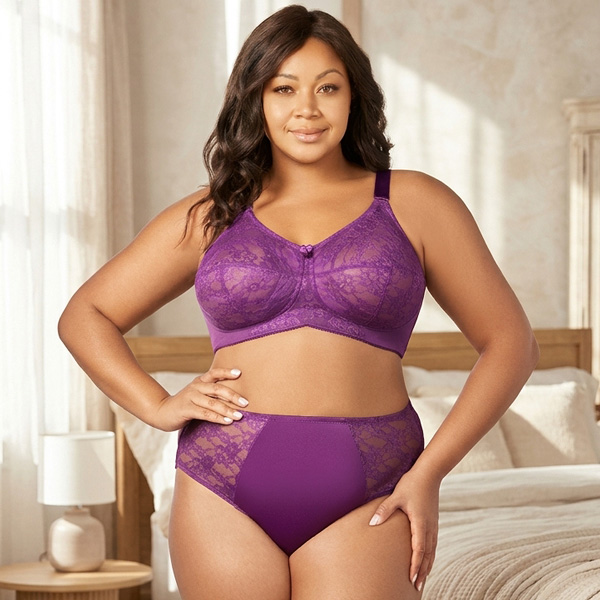
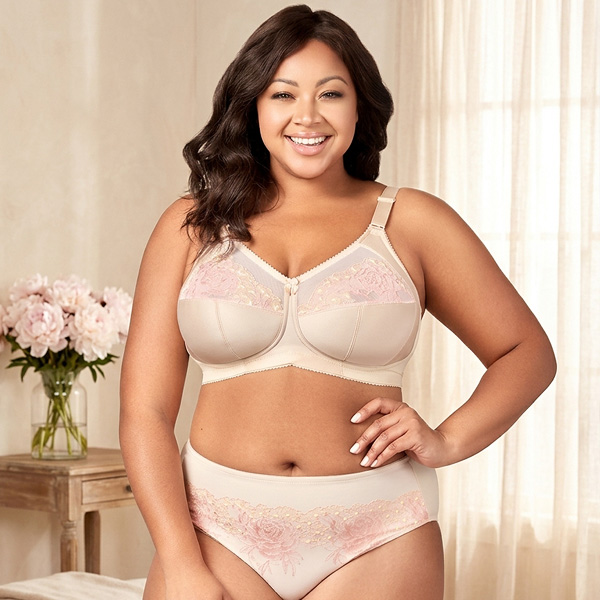
We focus on true plus-size. We make bands 34 to 54 and cups A to O, but our sweet spot is 38 to 54 bands and E to O cups. We use Classical American sizing, and we design for how fuller busts and bodies actually behave.
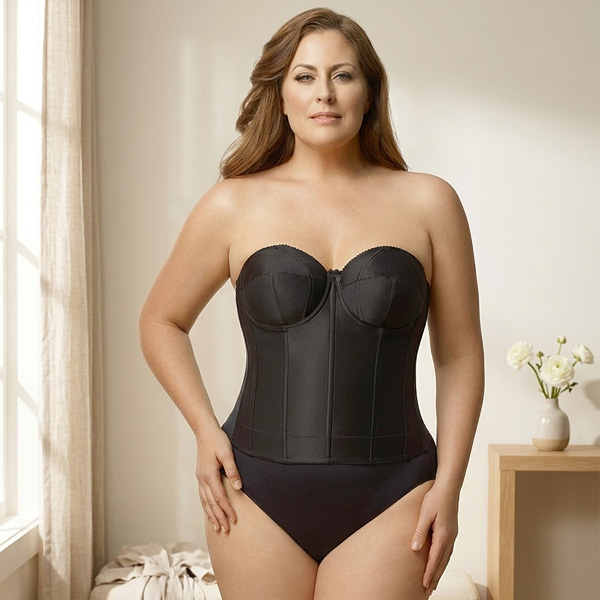
The back is what holds the cups up, so we use extra-strong power net for the back patterns. We add cup support slings to shape and lift the bust, we line our cups for extra support, and we use cup seams for structure and shaping. And we don’t just ship bras to retailers. We teach year-round, because a fitter who understands the product can sell it with confidence.
Customers often get different sizes in different stores. Why?
This is the question I love most. A woman gets fitted as a 36H in one store and a 40F in another, and she thinks she did something wrong. She didn’t. UK sizing and Classical American sizing use the same measurements but different math. Both fitters may be right. Nobody explained the translation to her. A customer is never the wrong size. She is simply in the wrong methodology.
When I fit customers, I walk them through why other brands put them in different sizes than Elila does. Then they try on Elila and see the fit, and it’s an eye-opener.
Some people say to throw the tape measure away. Why do you still believe in it?
I say use it better. We take three measurements: under the bust, the fullest part of the bust, and the top of the cup. That third one is a double-check on the band, and it tells you about body shape, which matters more as sizes go up.
The measurement is only a starting point. Real fitting happens in the questions afterward: how she wears her bras, what isn’t working, and what she needs for her day. I built those questions into the Bra Journey. Leading with a number or a cup size can feel loaded for a customer, so I teach fitters to focus on the fit.
Tell us about the tools you have built for retailers.
We built two. The Bra Journey by Elila walks a fitter through six steps, from lifestyle questions to a fitting summary the customer takes home. The fitter keeps a record, so she isn’t carrying everything in her head and can follow up. The UK to US Size Converter by Elila translates sizes between systems, so a fitter can show a customer the math instead of saying “trust me.”
Access is free. Retailers just subscribe through our Fit Education page. One retailer called the tools a “game changer.” I built them to make fitting plus-size women easier, and so both the fitter and the customer understand how much thought and experience go into the right fit. To me, a fitting is a lot like seeing a very empathetic doctor. So much is discussed that it feels like an important care moment in her life.
How does fit education help a retailer’s business?
A customer who understands her fit comes back and brings friends. It also cuts returns. When a bra fails, we teach fitters to ask whether it’s the product, like worn-out elastic, or the fit, like the wrong size from the start. Knowing the difference fixes the real problem.
My care advice for customers is three bras: one to wear, one to rest, and one to wash. The right fit plus rotation means bras last longer, and customers trust the store.
What is the biggest misconception about the plus-size customer?
That she’s hard to serve or not worth the inventory risk. She’s one of the most loyal customers you’ll ever have once you fit her well. She’s just been let down so many times that she expects to be disappointed.
What changes are you seeing in the market right now?
Bodies are changing, including from GLP-1 medications. Women who’ve worn one size for years suddenly need to be refitted. Our retail partners’ fitters are seeing changes in body tissue density and elasticity, not just size, and customers who stop the medication often come back because their bodies have changed again. That’s an opportunity for specialty retailers. We talk about finding the fit that works for your body where you are today.
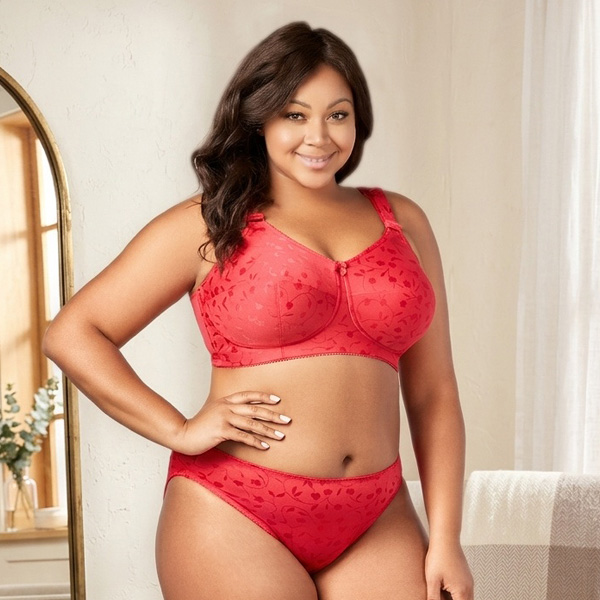
Customers also want smoother, rounder cup shapes. That doesn’t mean padding. They just don’t want the lace pattern to show through their clothes.
What advice do you have for a boutique owner who wants to grow plus-size?
Start with education, not just inventory. Train your team, use tools that document fittings, and lean on your vendors for support. You don’t have to figure it out alone. That’s what a partnership should feel like. Our partners get year-round education, the Bra Journey and UK Converter, and regional rep support. For a store adding true plus-size, I’d suggest working with our sales team. They can recommend the best products and sizes for your store and help you get the assortment right.
How do you think about pricing and promotions?
We don’t play the discount game. When brands keep discounting, retailers pass it on, and customers learn to wait for a sale. We offer the best and most value we can for the price, so retailers can sell with confidence all year.
When a woman shops at a specialty retailer, the point is that it’s special. The retailer knows her micro-market and how to take care of the customer who walks in. A discount mindset asks what has to be marked down. A specialty mindset asks what my customers will love and come back for, with their friends and family. Clearing goods loses money unless the wholesale partner covers the loss, and if they do cover it, the original price you paid was already paying for that markdown.
What would your grandmother think of Elila today?
I think she’d be proud and a little frustrated that women are still struggling to find a bra that fits. That’s why we keep going. I never knew my grandmother personally. What I know of her comes through the business she built and family stories. She obsessed over quality and consistency. She would recognize the engineering, but she’d miss the silk edging and trims that once made each piece look like lingerie.
Retailers can explore the Fit Education page and the full collection at elilausa.com, and everyone can follow the brand on Instagram at @elilafullfigure.
Contact:
Ellen Jacobson, President and Founder of Elila
Email: contact@elilausa.com
Fit Tools: elilausa.com/fithub
Wholesale ordering (NuORDER): app.next.nuorder.com/elila
Instagram: @elilafullfigure
Telephone: +1 888-531-5556

